

Turning Mistakes into Sharper Knife Control
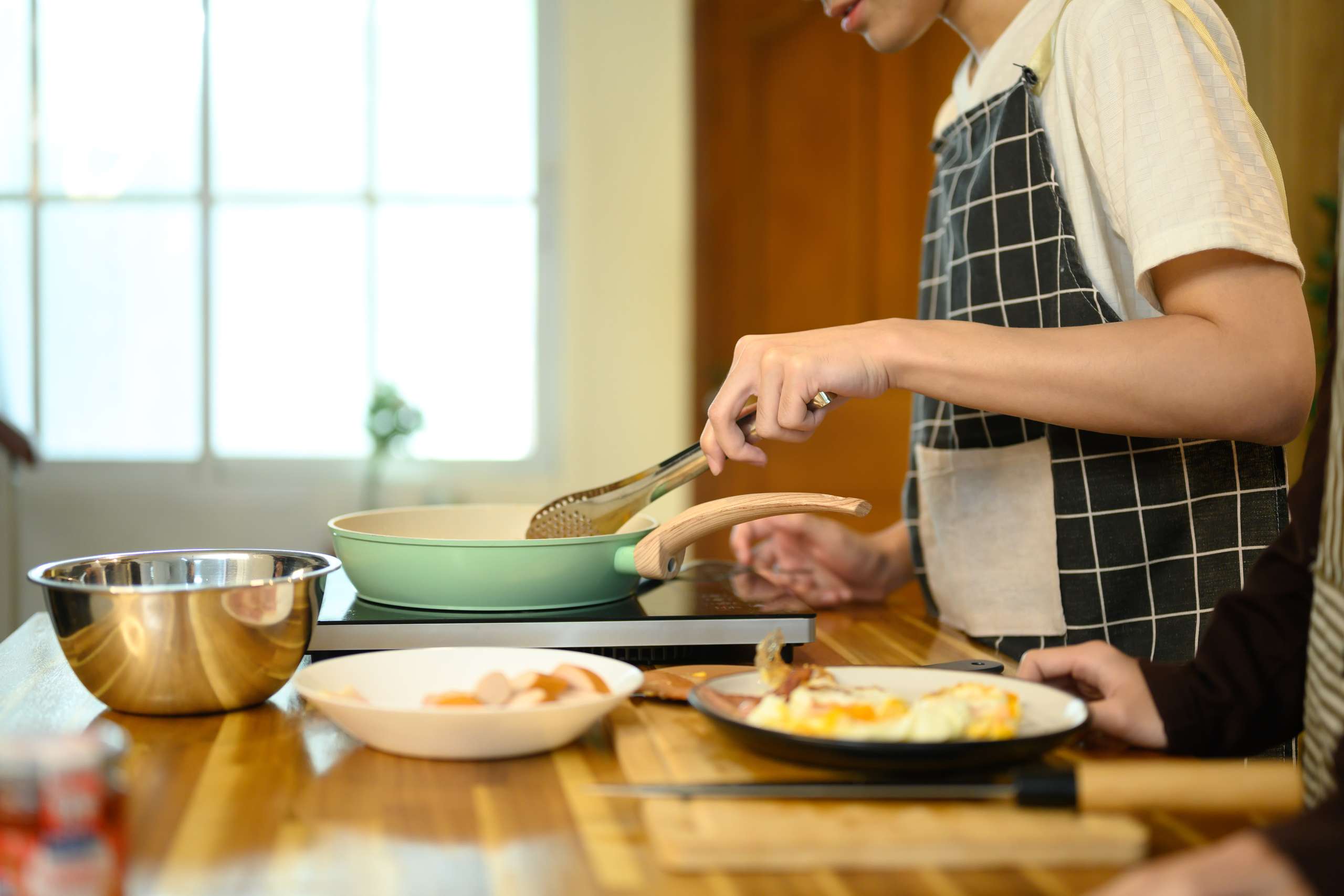
Every beginner encounters moments when the knife slips or the pieces scatter unevenly across the board. These small failures actually serve as the clearest teachers if approached with curiosity instead of disappointment. The moment a cut goes wrong, pause and look closely at what just happened. Did the blade angle shift midway through? Did the guiding hand lose contact? Noticing the exact detail in that instant turns a simple error into a precise lesson that prevents the same slip next time.
One common mistake involves lifting the knife tip too high during chopping, which reduces control and creates jagged edges on herbs or garlic. The natural impulse is to swing harder to compensate, yet this only worsens the problem. Instead, keep the tip anchored lightly on the board and let the motion come from a gentle rocking of the blade. Practice this correction on a small bunch of parsley for a few minutes, focusing only on keeping the tip down. The pieces become finer and more even almost immediately once the habit settles.
Dedicate a quiet fifteen-minute block each evening to deliberate mistake practice. Spend the opening five minutes repeating a single cut that recently felt difficult, such as uniform julienne strips on a zucchini. Use the middle five minutes to intentionally slow the motion and correct any recurring wobble or drag. Finish the final five minutes by incorporating the refined cut directly into a simple dish preparation, like scattering the strips over a salad or quick sauté. This structure keeps the session short, focused, and immediately useful in real cooking.
When the same error keeps appearing, change one small element of the setup. Switch to a slightly different vegetable, adjust the cutting board height, or try a fresh edge on the blade. These tiny shifts often reveal hidden tensions in posture or grip that were limiting progress all along. Each adjustment adds another layer of awareness that makes future sessions smoother and more enjoyable.
The real growth appears when previously frustrating tasks begin to feel effortless. Vegetables that once required constant correction now fall into neat piles with minimal effort. That quiet confidence carries into every meal preparation and makes the entire cooking process more relaxed and creative. The hands learn to anticipate problems before they happen, turning what once felt like repeated failure into steady, reliable skill.
Keep embracing each imperfect cut as valuable information rather than a setback. With patient attention and small daily refinements, the knife becomes a trusted partner in the kitchen, ready for increasingly complex preparations and delivering consistent results that bring real satisfaction to every plate.